
The Power of Massage for Men: Why Your Body Needs It (More Than You Think)
Let’s be honest: most men wait until something hurts before they do anything about it.
A stiff neck becomes “normal”. Tight lower back becomes “just the way it is”. Sleep gets lighter, stress gets louder, and workouts start to feel like you’re dragging your body through life rather than training it.
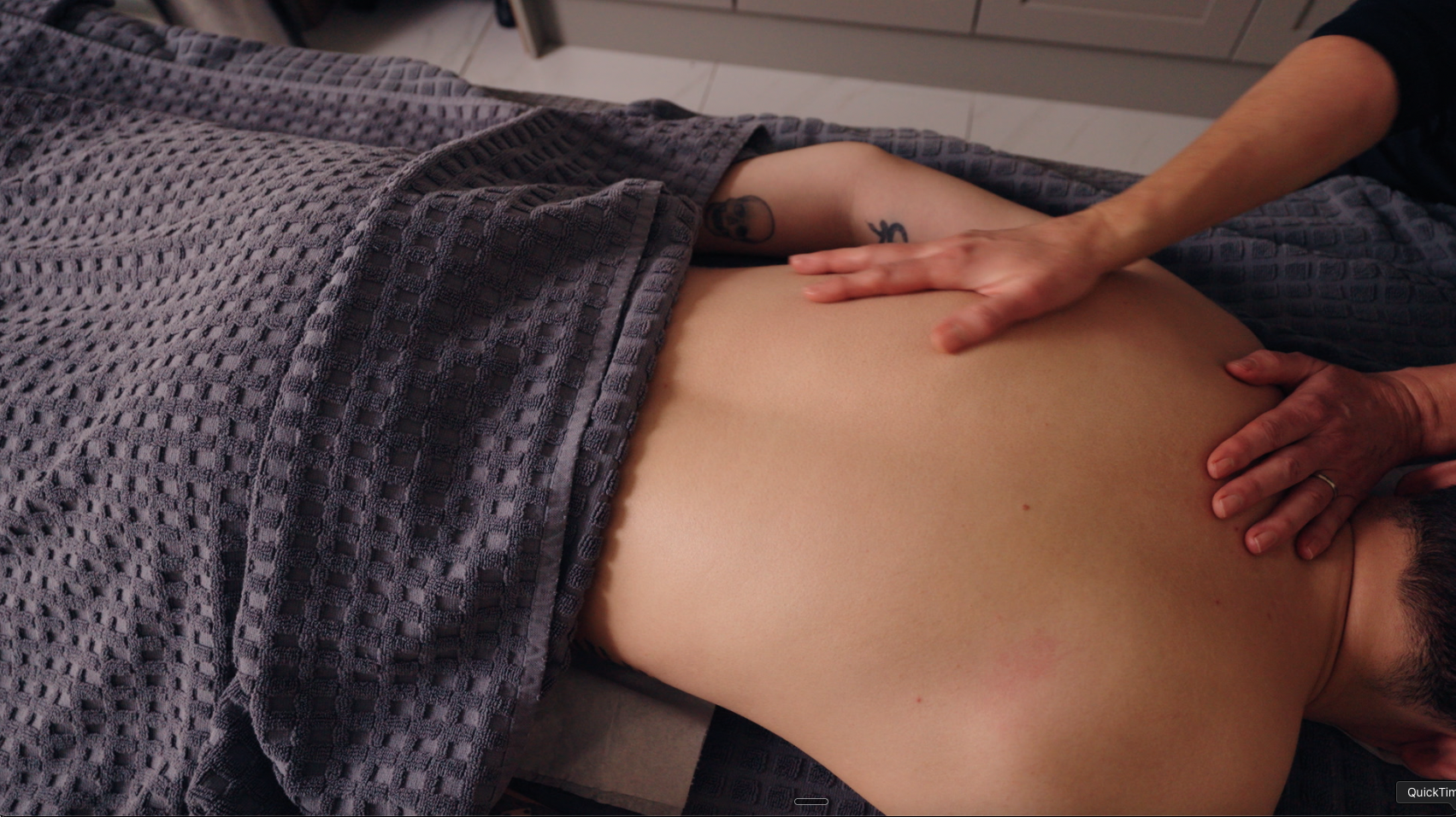
Massage changes that. Not as a luxury. As maintenance. A well-delivered massage supports recovery, helps reduce stress, and can improve sleep quality—three things modern life quietly steals from men first. And when your body feels better, everything improves: your focus, energy, mood, and even the way you carry yourself.
At The Refinery Mayfair, our specialist massage therapist Conchetta works with you (not on you) to release tension, reset your system, and help you feel like yourself again—calmer, looser, and more in control of your body.
Why men carry tension differently
Men tend to store stress physically.
Long hours at a desk → tight shoulders, headaches, upper-back knots
Training hard → heavy legs, restricted hips, tight calves
Driving, commuting, travelling → lower-back tension and stiff neck
High responsibility, constant decision-making → shallow breathing, jaw tension, poor sleep
The problem isn’t that you’re “not flexible”. The problem is your body is compensating—every day—without a reset.
Massage helps interrupt that pattern by reducing muscle tightness, increasing relaxation, and supporting better recovery between workouts.
The real benefits of massage
1) It helps your body switch out of “fight or flight”
When you’re under pressure, your nervous system stays on high alert. That shows up as tight shoulders, poor sleep, irritability, and feeling “wired but tired”.
Massage is widely used to support relaxation and reduce stress. Many people report feeling calmer and less tense afterwards, and clinical sources commonly describe stress reduction as a core benefit.
2) It reduces muscle tension and soreness
If you train, play sport, or simply sit a lot, you’ll know the feeling: muscles that won’t properly “let go”.
Massage is associated with decreased muscle stiffness and less pain/soreness for many people, and it’s often used as part of recovery routines.
3) It can support better sleep
Sleep is where recovery happens—physically and mentally. But stress and tension ruin it.
There’s growing research interest in massage as a non-pharmacological approach to improving sleep efficiency and sleep quality, particularly in people with sleep disturbance symptoms.
4) It helps you move better (and feel younger doing it)
When muscles are tight, your movement becomes limited. That means poorer posture, less range, and more compensation—especially through the neck and lower back.
Many massage resources highlight improved flexibility and quicker recovery between workouts as common physical benefits.
Signs you’re overdue a massage
If any of these are you, your body is already asking:
You wake up feeling stiff (even after a “good” sleep)
You’re getting headaches, jaw tension, or neck tightness
Your shoulders sit high without you noticing
Your training feels heavier than it should
You’re constantly stretching the same areas with no real change
You feel stressed in your body, not just your mind
How often should a man get a massage?
There isn’t a one-size-fits-all, but here’s a useful guide:
High stress / long desk hours: every 2–4 weeks
Training hard / sport / heavy physical work: every 1–3 weeks
Maintenance (feeling good, want to stay good): monthly
Consistency beats intensity. One massage helps. A routine changes your baseline.
What to expect at The Refinery Mayfair with Concetta

Concetta Francavilla
For clients who feel “stuck” in ways that aren’t just physical, Concetta also offers Belief Code Energy Therapy—an advanced, gentle modality designed to help identify and release limiting subconscious belief patterns that can quietly drive stress responses, tension loops, self-doubt, and repeating life themes. Sessions begin with the area of life where you’re noticing resistance, and through precise muscle testing Concetta can pinpoint layers of trapped emotional charge, negative programming, and faulty core beliefs—then systematically release them without needing you to relive old experiences. It’s a calm, private, deeply restorative experience that many people choose alongside bodywork as part of a wider approach to feeling more grounded, resilient, and aligned.
FAQs
-
Massage therapy is hands-on bodywork that targets physical tension, tight muscles, circulation, and recovery. Belief Code Energy Therapy is a non-invasive, fully clothed modality that focuses on identifying and releasing subconscious limiting beliefs and “stuck” emotional patterns that can contribute to stress responses, tension loops, and repeated life themes.
-
No. It isn’t hands-on massage. It’s an energy-based therapy that uses muscle testing to help identify underlying beliefs and emotional layers stored in the subconscious, then supports releasing them—without needing physical manipulation.
-
No. You don’t need to retell or re-experience painful memories. Sessions begin with what you’re noticing now (e.g., feeling stuck, overwhelmed, repeating patterns), and the process works from there in a calm, private way.
-
You’ll start with a simple check-in about where you feel stuck or what you want to shift. Concetta then uses precise muscle testing to investigate whether subconscious beliefs, trapped emotions, or negative programming are linked to what you’re experiencing—then works to release them layer by layer.
-
Your session begins with a quick consultation, then the massage is tailored to your body and goals—whether that’s deep tension release, stress relief, mobility support, or recovery-focused work. You’ll leave feeling looser, lighter, and more reset.
-
People often book when they feel stuck stress overload, confidence blocks, repeating relationship or work patterns, self-doubt, or feeling like they can’t fully switch off. It’s not a medical treatment, and it doesn’t diagnose think of it as supportive work for mindset, emotional patterns, and nervous-system stress.